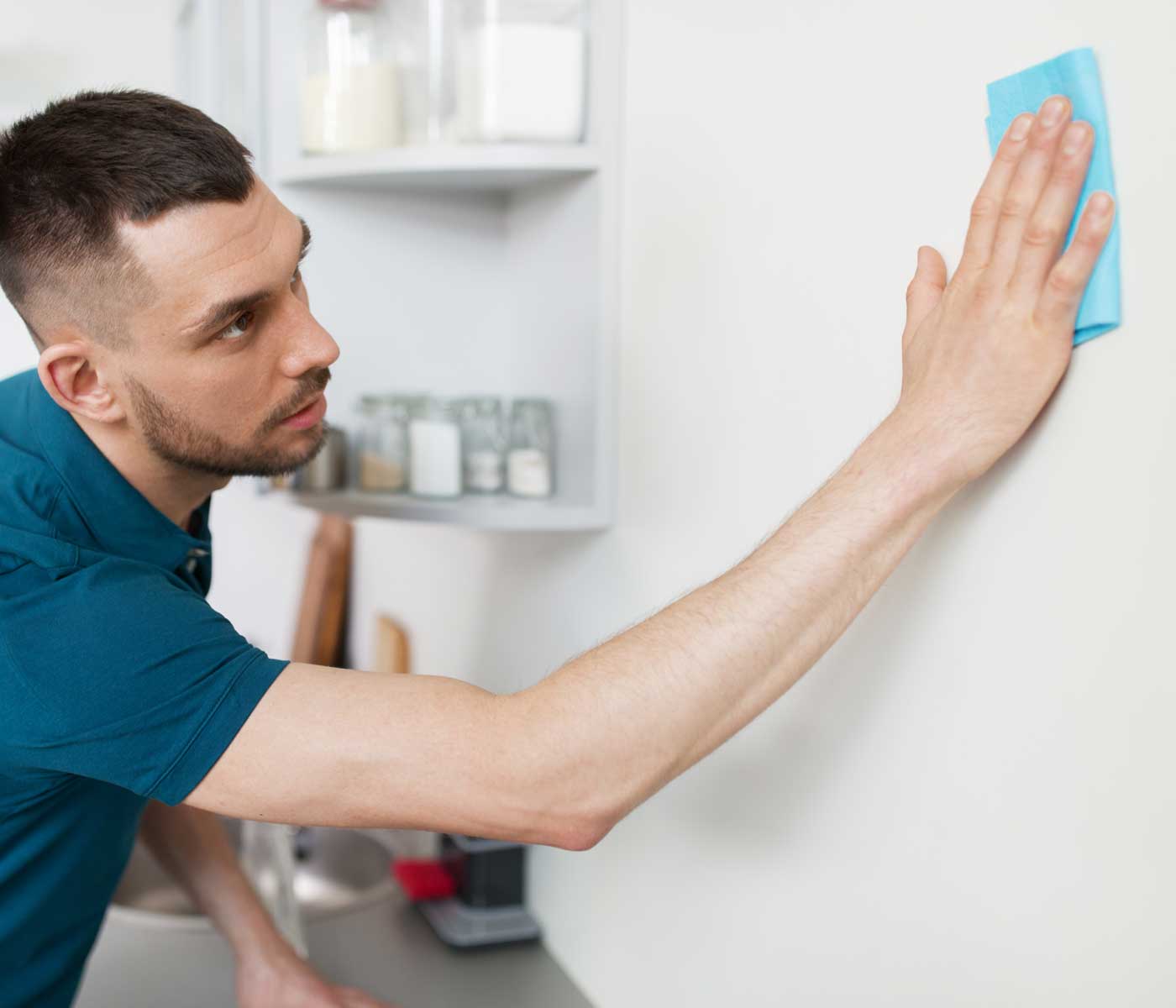
How to Prep Your Walls for Wallpaper in New Zealand (So It Actually Sticks): A Kiwi Painter's Guide
Bradley Hamilton
Lakeside PaintingThe Boring Step That Makes or Breaks Your Wallpaper
I'm going to be brutally honest with you: wall prep is the most skipped step in wallpapering. It's also the reason 90% of DIY wallpaper jobs fail within two years.
Last month, I got called to a place in Arrowtown where the homeowner had installed beautiful $180-per-roll wallpaper directly onto unprepared walls. Six months later, every seam was lifting, there were bubbles forming near the bathroom, and the whole thing looked like it had been up for a decade.
The fix? Strip it all off, prep the walls properly, and start again. That's $2,000 in wallpaper down the drain, plus another $1,500 to do the job right.
Here's the thing: proper wall prep takes maybe 2-3 hours for a feature wall. Skip it, and you're gambling with your entire investment.
So let me walk you through exactly what I do before hanging a single strip of wallpaper. This is the same process whether I'm working on a modern apartment in Queenstown or a 1970s brick-and-tile in Cromwell.
Step 1: Figure Out What You're Dealing With
Before you do anything else, you need to know what kind of wall surface you've got. Different surfaces need different prep, and getting this wrong is where most DIYers come unstuck.
The Water Test
Grab a spray bottle and mist a small section of your wall. Watch what happens:
If the water beads up and runs off: You've got a sealed or previously painted surface. Good news – this is the easiest to prep.
If the water soaks in immediately: You've got a porous surface (bare plaster, unpainted gib, or very old chalky paint). This needs sealing before wallpaper, or the adhesive will soak right into the wall instead of bonding the paper.
If the water sits there looking confused: You might have a semi-porous surface or old paint that's starting to break down. Needs investigation.
The Tape Test
Press a strip of masking tape firmly onto the wall, then pull it off sharply. Look at what comes off with it:
Nothing: Your existing paint is well-adhered. You can work with this.
Dust or chalky residue: Your paint is breaking down (we call this "chalking"). You'll need to seal it or the wallpaper adhesive won't bond properly.
Flakes of paint: Houston, we have a problem. That paint needs to come off before you wallpaper, or it'll take your new wallpaper with it when it eventually fails.
Common Wall Types in NZ Homes
Painted gib board (most common): Usually straightforward. Just needs cleaning and possibly a primer.
Bare gib board: Highly porous. MUST be sealed, or your wallpaper adhesive will soak in unevenly and you'll get bubbles and lifting.
Old plaster (pre-1970s homes): Can be unpredictable. Often needs filling, sealing, and sometimes a lining paper underneath.
Previously wallpapered walls: Depends entirely on whether the old wallpaper comes off cleanly. More on this below.
Textured walls: Generally not suitable for wallpaper unless you're willing to skim coat them smooth first.
Step 2: Deal With Old Wallpaper (If You've Got It)
Right, this is where things can go sideways fast.
Option A: The Old Wallpaper Comes Off Cleanly
If your existing wallpaper is strippable (most modern papers are), you might get lucky:
- Start at a corner or seam and try to peel it off
- If it comes away in large sheets leaving the wall mostly intact, you're winning
- Score any stubborn areas with a wallpaper scoring tool
- Apply warm water with a splash of dish soap, let it soak for 10-15 minutes
- Scrape with a broad wallpaper scraper
What's left behind matters: If you've got a clean wall with just some adhesive residue, you can wash that off with sugar soap and warm water. If you've got torn paper backing stuck to the wall, you'll need to remove all of it or your new wallpaper will show every imperfection.
Option B: The Old Wallpaper Is Painted Over
Ah, the classic Kiwi renovation shortcut. Someone couldn't be bothered stripping the wallpaper, so they just painted over it. Now you've got a real problem.
Your options:
- Strip it all: The proper way. Time-consuming but gives the best result.
- Skim coat over it: If the painted wallpaper is firmly adhered, a skim coat can create a new smooth surface.
- Line it: Heavy-duty lining paper over the top, then wallpaper over that.
I've written a full guide on dealing with painted-over wallpaper if you're in this situation. It's fixable, but don't underestimate the work involved.
Option C: Multiple Layers of Old Wallpaper
I once found seven layers in a villa in Arrowtown. SEVEN. The bottom one was from the 1960s.
If you're dealing with multiple layers, you basically have two choices:
- Strip everything back to the wall (could take days)
- Hire someone with a steamer and strong arms
There's no shortcut here. Wallpapering over old wallpaper is asking for trouble – the adhesive reactivates the old glue, and you end up with bubbles, wrinkles, and eventual failure.
Step 3: Repair Everything First
Once your wall is bare (or you've confirmed your painted wall is in good nick), it's time to fix every imperfection.
What Needs Filling
- Nail holes and screw holes
- Cracks (even hairline ones)
- Dents and dings
- Any lumps or bumps
- Gaps around light switches and power points
The Right Filler for the Job
For small holes and cracks: Selleys Spakfilla or similar lightweight filler. Easy to sand, dries fast.
For larger repairs: Gib compound. Takes longer to dry but gives a more durable finish.
For cracks that might move: Flexible filler like Selleys No More Cracks. Important in Queenstown and Central Otago where our temperature swings cause walls to expand and contract.
The Filling Process
- Clean out loose material from holes and cracks
- Apply filler slightly proud of the surface (it shrinks as it dries)
- Let it dry completely – don't rush this
- Sand smooth with 120-grit sandpaper
- Run your hand over it – if you can feel it, you'll see it under wallpaper
- Fill again if needed and repeat
Pro tip: Shine a torch across the wall at a low angle. This reveals every imperfection that you'll miss in normal lighting. Do this after filling, and fill anything you can see. Wallpaper shows everything.
Step 4: Clean Like Your Life Depends On It
Wallpaper adhesive needs to bond to the wall, not to dust, grease, or cobwebs. Even walls that look clean usually aren't.
The Cleaning Process
-
Dust first: Use a soft brush or vacuum with a brush attachment to remove loose dust. Start at the top and work down.
-
Sugar soap wash: Mix sugar soap according to the packet directions. Wash the entire wall with a sponge, working in sections. Don't soak it – you're cleaning, not flooding.
-
Rinse: Go over the wall again with clean water to remove any sugar soap residue.
-
Dry completely: This is crucial. Wallpaper and wet walls don't mix. Give it at least 24 hours to dry, longer if you're in a humid area or it's winter.
Special Situations
Greasy walls (common in kitchens): You might need to wash twice, or use a degreaser before the sugar soap.
Mould spots: Clean with a bleach solution (1:4 with water) and let it dry completely. If mould keeps coming back, you've got a moisture problem that needs fixing before you wallpaper.
Nicotine stains: These will bleed through if not sealed. Use a stain-blocking primer after cleaning.
Step 5: The Primer That Makes All The Difference
This is where DIYers most often go wrong. "The walls look fine, I'll just start wallpapering." Famous last words.
Why You Need Wallpaper Primer
-
Creates uniform porosity: Without primer, some areas of your wall will absorb adhesive faster than others. This causes bubbles, uneven bonding, and lifting seams.
-
Makes removal easier later: When you eventually want to change your wallpaper (and you will), a primed wall lets the paper strip off cleanly instead of taking chunks of gib paper with it.
-
Improves adhesion: The primer gives the adhesive something to grip.
-
Seals problem areas: Covers stains, evens out colour variations, and prevents bleed-through.
What Primer to Use
For most painted walls: Resene Sureseal or Dulux Prepcoat. One coat is usually enough on walls in good condition.
For bare or porous surfaces: A dedicated wallpaper primer/sealer like Zinsser Shieldz or Dulux Wallpaper Primer. These are designed specifically for the job.
For stained or problematic walls: Zinsser BIN (shellac-based) for serious stain blocking. This stuff seals everything.
Application Tips
- Use a roller for large areas, brush for edges and corners
- Apply thin, even coats – drips will show through your wallpaper
- Don't skip the edges and corners – this is where lifting starts
- Let it dry completely before wallpapering (check the tin for recoat times)
- Lightly sand with fine sandpaper (220-grit) if the primer feels rough once dry
Step 6: The Final Checks Before You Start
You're almost there. Before you open that first roll of wallpaper, run through this checklist:
The Inspection Checklist
☐ Run your hand over every surface. Can you feel any bumps, ridges, or rough spots? Fix them now.
☐ Check for shiny patches. These indicate areas where the primer didn't absorb evenly. Lightly sand and recoat.
☐ Inspect with a torch at an angle. One last look for imperfections you might have missed.
☐ Check moisture levels. If you have a moisture meter, readings should be under 12%. If not, the wall should feel bone dry and be completely cool to the touch.
☐ Remove switch plates and outlet covers. Mark which screws go where if they're different sizes.
☐ Establish your starting point. Usually the most visible corner or a focal point.
☐ Check your wallpaper. Make sure all rolls are from the same batch (check the batch numbers). Unroll and check for damage or printing defects before you start.
Climate Considerations for Central Otago
Here's something the wallpaper instructions from overseas don't tell you: Central Otago's climate is brutal on wallpaper installations.
The Humidity Challenge
The Queenstown Lakes region swings from bone-dry winters (sometimes under 20% humidity) to humid nor'westers that can hit 80%. This matters because:
- Low humidity: Adhesive dries too fast. You need to work quickly and may need to dampen your paste a bit.
- High humidity: Adhesive takes forever to dry. Seams may not bond properly if you're not patient.
The Temperature Factor
Our temperature swings – sometimes 25 degrees in a single day – cause walls to expand and contract. This stresses wallpaper seams.
What helps:
- Use flexible adhesive (most modern ready-mixed pastes have some flex)
- Don't hang wallpaper during extreme temperature swings
- Let the wallpaper acclimatise in the room for 24-48 hours before hanging
- Avoid south-facing walls in bathrooms where temperature differential is highest
The Best Time to Wallpaper
Ideal conditions: 15-25°C, 40-60% humidity, stable weather forecast for the next 48 hours.
In Central Otago, that means: Late spring and early autumn are your best bets. Summer can work but watch for hot afternoons. Winter is risky unless you have good heating and can control the environment.
When Prep Isn't Enough: Lining Paper
Sometimes, no amount of prep will give you a suitable surface for wallpaper. That's when you need lining paper.
When to Use Lining Paper
- Walls with minor imperfections you can't quite get smooth
- Old plaster with uneven porosity
- Covering woodchip or textured paint (after scraping off the worst)
- Creating a consistent base colour for light-coloured wallpaper
- Walls that have been painted over wallpaper and can't be stripped
How Lining Paper Works
It's basically plain wallpaper that goes on first, creating a new, uniform surface for your decorative wallpaper to stick to.
The rules:
- Hang lining paper horizontally (opposite direction to your wallpaper)
- Let it dry completely – at least 24 hours, preferably 48
- Don't overlap seams
- Prime the lining paper before applying your decorative wallpaper
The Bottom Line: Time Invested Now Saves Heartache Later
I know wall prep isn't the exciting part. Nobody shows off their freshly primed walls on Instagram. But I've been in this game for 14 years, and I can tell you with absolute certainty: the difference between a wallpaper job that lasts 15 years and one that fails in 6 months is almost always in the prep.
A feature wall that takes 3 hours to hang properly takes 2 hours to prep. That's not a bad ratio. And it's a hell of a lot cheaper than redoing the whole thing when it fails.
So take the time. Test your walls. Clean them properly. Fill every hole. Prime everything. Your future self – the one who isn't peeling off failed wallpaper in two years – will thank you.
Quick Reference: Wall Prep Checklist
Testing:
- Water test to check porosity
- Tape test to check paint adhesion
- Identify wall type and condition
Old Wallpaper (if present):
- Remove completely if possible
- Strip painted-over wallpaper or seal properly
- Remove all adhesive residue
Repairs:
- Fill all holes, cracks, and dents
- Sand smooth
- Check with angled light
- Re-fill if needed
Cleaning:
- Dust walls thoroughly
- Wash with sugar soap
- Rinse with clean water
- Dry for 24+ hours
Priming:
- Apply appropriate primer
- Cover all surfaces evenly
- Let dry completely
- Light sand if rough
Final Checks:
- Hand-check for imperfections
- Torch-light inspection
- Moisture check
- Remove fixtures
Ready to wallpaper but not keen on the prep work? Lakeside Wallpapering offers complete wallpaper installation services including proper wall preparation. We bring 14 years of experience to every job, ensuring your wallpaper looks stunning and lasts for years. Get in touch for a free consultation – we'll assess your walls and give you an honest recommendation.
The author also runs lakeside painting, a professional painting company serving the Central Otago region.
About the Author
Bradley Hamilton
Bradley Hamilton brings over 14 years of experience in painting and wallpapering to homes across Queenstown and Central Otago. Having transformed hundreds of spaces with both paint and wallpaper, he understands the unique challenges of our local climate and what it takes to make wallpaper installations last. Now specialising in high-end wallpaper installation through Wallpapering Queenstown, Bradley combines traditional craftsmanship with modern techniques.
Visit Lakeside Painting
Comments
Join the conversation by signing in
No comments yet.
Be the first to share your thoughts!